Tech
Smart Bangladesh to take the Country to a Next Tech Hub in Asia


By Zunaid Ahmed Palak
In the last decade, Bangladesh has shown the world how revolutionary progress can be achieved through building a Digital Bangladesh vision as dreamt by our visionary leader Prime Minister Sheikh Hasina. It has now embarked on a task to build a Smart Bangladesh to take the country to a next tech hub in Asia.
Just a decade ago, Bangladesh had to import all the smartphones to meet the demands of the country’s growing smartphone users. Now, Samsung, one of the world’s biggest producers of smartphones, manufactures its latest high end devices in Bangladesh.
Since 2021, Samsung started manufacturing its Galaxy S21 Ultra 5G phones in Bangladeshi plants. In the US, this phone costs USD 1199.99 and if imported its cost would be more than BDT 166,000. Thanks to local assembling plants, Bangladeshi customers could purchase this phone at only BDT 119,000.
Not only Samsung, various companies such as Walton, Vivo, Oppo are also producing high-end smartphones in Bangladesh. In 2022, locally manufactured and assembled phones met more than 52 percent demand of smartphones.

The secret behind such astounding transformation in the last few years is the current governments special focus on expanding ICT and heavy industries. Now the governments priority in this sector has been impeccably explained in its Smart Bangladesh vision.
Smart Bangladesh Vision 2041 as announced by Prime Minister Sheikh Hasina, Bangladesh is expected to achieve zero percent poverty, 100 percent high speed internet accessibility, 100 percent more than 5G smartphone penetration and 100 percent inclusive, circular and cashless economy and expansion of ICT based green industries by 2041. Besides, all the government services will be delivered electronically, government offices will be completely paperless and citizens will live in an absolutely inclusive, empowered and self-sufficient society.
The Bangladesh started journey towards Digital Bangladesh back in 2009 when the current ruling party Awami League came into power. There was no ICT ecosystem at that time. There were no government services that could be delivered electronically. Only 1 percent of the citizens had internet connection. There were only around 50,000 IT professionals in the entire country. And, export revenue from ICT based industry was only 26 million USD. But the fact of the matter is: under the prudent and dynamic leadership of Prime Minister Sheikh Hasina, the government has radically transformed the ICT ecosystem and built Digital Bangladesh over the last decade. Government has digitized 2 thousand services to citizens access to it. Out of 170 million people 130 million people have stable internet connection. Bangladesh currently earns over 1.4 billion USD annually by exporting ICT related services.
The Bangladesh government has implemented this massive transformation by establishing a safe and friendly investment ecosystem for the investors and entrepreneurs. The government has been providing attractive incentives for investors to expand the emerging ICT industry of the country. For instance, IT companies can enjoy 10 years of corporate tax exemption and if they invest in one of the Hi-tech parks established by the government, the duration of corporate tax exemption can be 12 years. Expatriate professionals working in Bangladesh’s ICT industry are exempted from income tax. Import duties for the investors or entrepreneurs for importing capital machineries and other assets are exempted.
Besides these, the investors will enjoy exemption from VAT, double taxation, stamp duty, registration fee (if they want to purchase land) and 100 percent profit repatriation facility. If the investors or entrepreneurs invest in Hi-tech parks, they will also enjoy bonded warehouse facilities.
Such lucrative incentives have already created an unprecedented acceleration in Bangladesh’s emerging ICT market. In the last five years, more than 2500 startups have been established in the country and around 200 ICT startups are entering the market every year.
There are currently more than 400 companies in Bangladesh who achieved funding by renowned international investors such as Soft Bank Group, Bill and Melinda Gates Foundation, Adventure Capital and many others.
Thanks to these investments, more than 2 million jobs have been created in Bangladesh’s ICT industry in the last decade. In fact, Bangladesh has reached a global milestone in expanding its ecommerce and digital financing. At present, Bangladesh boasts of 181 million users of mobile phones making it the 9th largest mobile market of the world.
There are more than 188 million subscribers of mobile financial services (MFS) who are doing 14 million transactions every day. Bangladesh’s MFS such as BKASH and Nagad (state owned) have earned many national and global recognitions for their innovative and committed customer services. Since 2011, MFS are growing in Bangladesh at an astounding 500 percent growth rate.
Like MFS, Bangladesh’s ecommerce market is also a hidden treasure for potential investors. Global players like Alibaba, Daraz and various national level startups have already created a 3 billion USD ecommerce market in the last five years. However, this is only 35 percent of the total market size and within the next two years the market can be expanded to address the demands of 80 percent of its consumers.
Bangladesh has also achieved a major breakthrough in expanding its digital device market. Even in the last decade, Bangladesh had to import almost all of the electronic products. However, nowadays Bangladesh has become an emerging exporter of electronic products manufactured in Bangladesh.
The country has created a 2.4 billion USD market of electronic devices and annual growth of the market is 29.3 percent. Walton, a Bangladeshi brand has been exporting home appliance electronics and heavy machineries for almost a decade. Products of globally renowned brands like Samsung and Sony are now being assembled in Bangladesh.
In the near future, Bangladesh is going to be a big player in the global semiconductor industry. Bangladeshi researchers in collaboration with their American counterparts have developed semiconductors which have the highest operational temperature of 300 degree celsius, more than double that of conventional semiconductors.
Bangladesh government has allocated 10 million USD to establish Nano Lab to conduct fundamental research on semiconductors in Bangladesh. Besides, four Bangladeshi companies are already producing electronic chips and exporting them to different countries as well. More than 1000 trained Bangladeshi engineers are working in these companies. The government is now giving 10 percent export incentive for electronic chip exporting companies. If the current rate of growth continues, It is expected that Bangladesh will create a 20 billion dollar semiconductor industry by 2041.
Such outstanding progress in the ICT industry has been possible due to Bangladesh governments remarkable attention on creating skilled manpower in the ICT sector.
The ICT division has been providing a wide range of ICT training to millions of youths, particularly women all over the country to become freelancers and skilled IT professionals. Many of these trained youths have later become successful entrepreneurs, freelancers and IT professionals.
Bangladeshi freelancers are earning 400 million USD annually through their skilled and cost-effective services. According to Oxford Internet Institute (OII) and World Bank reports Bangladesh’s position in the online labour forces is second. From 2010-2018, income growth of the IT professionals was around 10 percent, however, from 2019 to till now, the growth rate has increased up to 40 percent.
Utilization of these ready to deploy resources can only be possible if the government can attract foreign direct investments and young entrepreneurs in the country’s rapidly emerging ICT sector. And, Prime Minister Sheikh Hasina’s government is more than ready for them.
Our next goal is to develop a smart economy within next five years where we shall be able to establish a 100 percent cashless, circular economy. To achieve this goal, we would provide support to develop at least 5 unicorn startup companies (USD 1 billion company each). We have also planned to develop 50 unicorn startup companies by 2041. Our government will do everything possible to attract investors and entrepreneurs to invest in this sector and they will be the key players in realizing our dream of Smart Bangladesh.
Bangladesh has a massive pool of millions of skilled youths, all the necessary infrastructure and extremely conducive environment for young entrepreneurs and large scale investment as well. The initiatives taking by the present Government is the line with the Smart Bangladesh vision there is no doubt that Bangladesh is going to be the next tech hub in Asia and beyond.
The writer is Honble State Minister for ICT Division Zunaid Ahmed Palak. e-mail: me@palak.net.bd














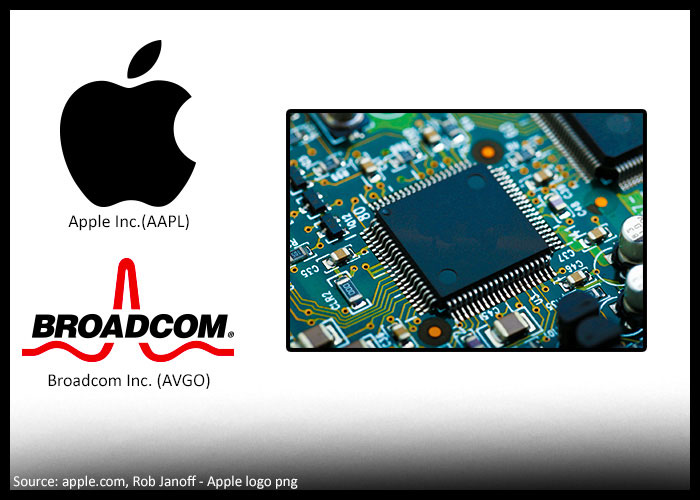
Apple , opens new tab plans to spend more than $30 billion under a multi-year chip supply deal with Broadcom, bolstering its U.S. sourcing as President Donald Trump’s administration pushes to expand domestic chip manufacturing.
Broadcom shares rose more than 4%, while Apple shares were down marginally.
Apple said on Wednesday the deal, which was struck earlier this week and runs through 2031, covers FBAR filters – or radio-frequency chips used for wireless connectivity in its devices – that it had been developing with Broadcom since at least 2023.
Broadcom will invest $1.5 billion to expand its Fort Collins, Colorado, factory under the deal, which Apple said would result in the production of at least 15 billion chips and support its work with the Trump administration to source more components domestically.
“The cutting-edge components built in Fort Collins are essential to delivering the incredible performance and connectivity our customers expect, and we’re proud to deepen our investments in U.S.-based suppliers that share our commitment to excellence and innovation,” Apple CEO Tim Cook said in a statement.
“We’re grateful to the president and his administration for supporting important projects like this.”
In August 2025, Apple raised its U.S. investment commitment to $600 billion over four years, adding $100 billion to a previously announced spending plan.

China is planning to allow the country’s top AI companies to buy a limited number of Nvidia’s, opens new tab H200 chips, the Information reported on Wednesday, citing two people with direct knowledge of the matter.
Chinese officials have told Alibaba, opens new tab, ByteDance and DeepSeek in recent weeks that they may soon receive permission to buy some H200 chips, the report said.
Shares of Nvidia rose 1% after the report.
The chip giant did not immediately respond to a Reuters request for comment, nor did the U.S. commerce department, which oversees exports of advanced AI chips overseas.
China’s commerce ministry also did not immediately respond to a request for comment, while Alibaba, ByteDance and DeepSeek did not respond outside of regular business hours.
The U.S. government has allowed Nvidia to sell its advanced H200 chips to China, and licensed about 10 Chinese firms to buy the chips. However, Chinese officials, keen to nurture domestic suppliers, have withheld approval so far.
Reuters reported in March that Nvidia had won Beijing’s approval to sell the chips to China, citing sources, and around the same time, Nvidia CEO Jensen Huang also told CNBC that the company had clearance from China.
Beijing is still determining the exact number of Nvidia chips to approve, and it could amount to fewer than 200,000 in total, the Information said, adding that was less than half of what the companies requested earlier this year.
Last month, Reuters exclusively reported that Nvidia told Chinese clients its new “Vera” central processors for AI data centres could be available as soon as August and that they can begin placing orders.
Nvidia’s market share in China has effectively fallen to zero, Huang said in October, hurt by U.S. export controls and Beijing’s push for self-reliance in key technologies.
The potential shift in China’s stance underscores the growing computing capacity crunch that the country’s tech companies are facing.

A team of software testers found that Australian social media platforms did not request age proof for any of 50 accounts that declared themselves to be 16, a result that leaves the country’s world-first under-16 ban “ineffective” at the most basic screening stage, according to a study seen by Reuters.
Since December, platforms such as Instagram, Snapchat and YouTube have been required to bar people under 16 and take “reasonable steps” to verify age, with regulators recommending multiple layered checks. But the new research, conducted by those who advised the nationwide curb, shows that the initial vetting step, which estimates a user’s age from general online activity, is failing to flag young people for tougher verification.
The testers, who last year trialled age-assurance software on more than 1,000 Australians, opened 50 new accounts after the law took effect and set the age as 16. None of the platforms asked for additional proof, the researchers told Reuters. The findings highlight a flaw that has been largely overlooked while public debate has focused on photo-based age-estimation tools.
The ban’s rollout has been widely criticised after surveys indicated that most under-16s still access the platforms. The government last month doubled the maximum fine and warned of possible court action against tech giants, accusing them of setting the system up to fail. Platforms have countered that they are simply following the regulator’s guidance, which prioritises low-friction checks and prevents reliance on government ID alone due to privacy concerns.
Some advisers to the original trial said they had repeatedly warned that the testing process ignored real-world circumvention, including minors entering false birthdates. “We did want to talk about circumvention, but we kept on being told that that wasn’t part of the actual trial,” Colm Gannon of the International Centre for Missing & Exploited Children told Reuters. A youth digital rights academic involved in a longer-term study of the ban said more impressive results might emerge once platforms move to age-inference methods later in the year. The regulator maintains that the recommended layered approach, if implemented correctly, ensures no single point of failure.

Two US soccer team staff members suspended by FIFA for Belgium World Cup game

Inside the Haaland machine

‘Little disappointed in our batting unit’: Miraz rues Tigers’ ODI opener defeat against Zimbabwe