Tech
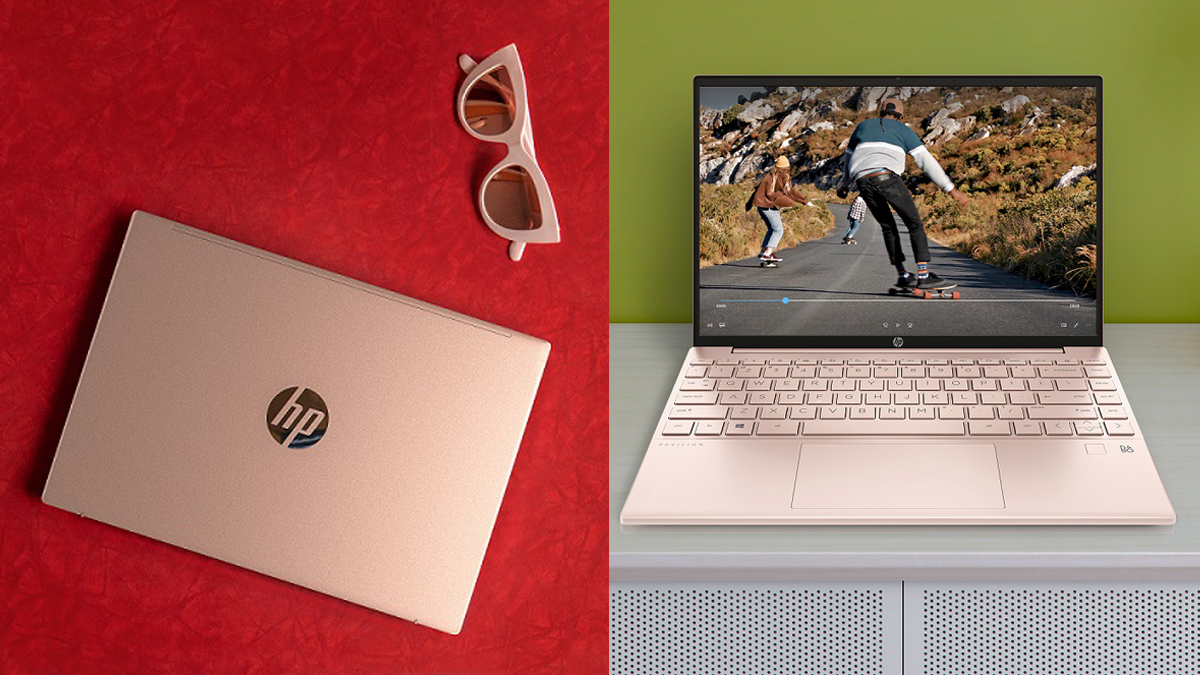
HP powers its Pavilion portfolio with the lightest consumer notebook in Bangladesh – HP Pavilion Aero

Key Highlights:
- HP’s pavilion is the most popular mainstream notebook brand in Bangladesh
- Pavilion Aero is the lightest AMD-based consumer laptop weighing under 1 kilogram
- Designed for sustainability and made with post-consumer recycled and ocean-bound plastics
- Innovative design that boosts efficiency and elevates entertainment experience
Today, HP announced to expand its flagship Pavilion notebook portfolio with the introduction of HP Pavilion Aero 13, the lightest AMD-based consumer notebook weighing less than 1 kilogram, in Bangladesh. Made with sustainable, recycled material, the PC is powered by an AMD Ryzen™ 5 5600U & AMD Ryzen™ 7 5800U Mobile Processor with AMD Radeon Graphics.
The newest addition to this series – Pavilion Aero is the first pavilion notebook featuring a 90 percent screen-to-body-ratio1 for immersive viewing, along with complete magnesium aluminum chassis and a 4-sided thin bezel for a premium look. It is available in Pale Rose Gold colorand has a stunning design with the capability to enhance entertainment and productivity.
Vickram Bedi, Senior Director, (Personal Systems) HP India, Bangladesh & Srilanka said, “PCs are becoming an indispensable part of people’s lives. Today’s users are looking for a device which is a combination of power and versatility. The HP Pavilion Aero 13 meets the changing mobility needs of consumers with unparalleled performance. It is a reflection of our commitment to offer solutions which empowers users to be productive and entertained without compromising on the look and feel of the device”.
Performance and productivity
Powered by the AMD Ryzen™ 5 5600U & AMD Ryzen™ 7 5800U Mobile Processor with AMD Radeon™ Graphics, the Pavilion Aero comes with Windows 11. Users can access fast and reliable Wi-Fi2 connectivity with available wireless with up to 10.5 hours of battery life3. It offers a fast and responsive processor while working or browsing. The Pavilion Aero 13 is the first Pavilion notebook to provide a 90% screen-to-body-ratio, providing for increased viewability and convenient content visibility1.
The 16:10 aspect ratio5 and 1990 resolution in HP’s first ever 13.3-inch diagonal laptop will enable vivid display of texts and images and seamless streaming experience on screen4. Users can browse in the sunlight with 400 nits of brightness6 and experience vibrant and sharp images while surfing the web with 100% sRGB for a wider color palette7.
The PC includes an aluminum chassis and a 4-sided thin bezel. It is also equipped with built-in Alexa and a fingerprint reader.
Pricing and Availability
Available at all HP authorized partner stores and www.hp.com/bd , the new HP Pavilion Aero 13 portfolio is priced as follows:
- HP Pavilion Aero Laptop 13-be0345AU available at a starting price of ৳ 95,000 with Windows 11, Microsoft Office 2019/Finger Print Reader/13.3 WQXGA (2560×1600) Antiglare 400 nits IPS Narrow Border; Processor – Ryzen 7 5800U in 8GB and 512 SSD – Pale Rose Gold
- HP Pavilion Aero Laptop 13-be0216AU available at a starting price of ৳ 85,000 Windows 11, Microsoft Office 2019/Finger Print Reader/13.3 WQXGA (2560×1600) Antiglare 400 nits IPS Narrow Border; Processor – Ryzen 5 5600U in 8GB and 512 SSD – Pale Rose Gold



Apple , opens new tab plans to spend more than $30 billion under a multi-year chip supply deal with Broadcom, bolstering its U.S. sourcing as President Donald Trump’s administration pushes to expand domestic chip manufacturing.
Broadcom shares rose more than 4%, while Apple shares were down marginally.
Apple said on Wednesday the deal, which was struck earlier this week and runs through 2031, covers FBAR filters – or radio-frequency chips used for wireless connectivity in its devices – that it had been developing with Broadcom since at least 2023.
Broadcom will invest $1.5 billion to expand its Fort Collins, Colorado, factory under the deal, which Apple said would result in the production of at least 15 billion chips and support its work with the Trump administration to source more components domestically.
“The cutting-edge components built in Fort Collins are essential to delivering the incredible performance and connectivity our customers expect, and we’re proud to deepen our investments in U.S.-based suppliers that share our commitment to excellence and innovation,” Apple CEO Tim Cook said in a statement.
“We’re grateful to the president and his administration for supporting important projects like this.”
In August 2025, Apple raised its U.S. investment commitment to $600 billion over four years, adding $100 billion to a previously announced spending plan.

China is planning to allow the country’s top AI companies to buy a limited number of Nvidia’s, opens new tab H200 chips, the Information reported on Wednesday, citing two people with direct knowledge of the matter.
Chinese officials have told Alibaba, opens new tab, ByteDance and DeepSeek in recent weeks that they may soon receive permission to buy some H200 chips, the report said.
Shares of Nvidia rose 1% after the report.
The chip giant did not immediately respond to a Reuters request for comment, nor did the U.S. commerce department, which oversees exports of advanced AI chips overseas.
China’s commerce ministry also did not immediately respond to a request for comment, while Alibaba, ByteDance and DeepSeek did not respond outside of regular business hours.
The U.S. government has allowed Nvidia to sell its advanced H200 chips to China, and licensed about 10 Chinese firms to buy the chips. However, Chinese officials, keen to nurture domestic suppliers, have withheld approval so far.
Reuters reported in March that Nvidia had won Beijing’s approval to sell the chips to China, citing sources, and around the same time, Nvidia CEO Jensen Huang also told CNBC that the company had clearance from China.
Beijing is still determining the exact number of Nvidia chips to approve, and it could amount to fewer than 200,000 in total, the Information said, adding that was less than half of what the companies requested earlier this year.
Last month, Reuters exclusively reported that Nvidia told Chinese clients its new “Vera” central processors for AI data centres could be available as soon as August and that they can begin placing orders.
Nvidia’s market share in China has effectively fallen to zero, Huang said in October, hurt by U.S. export controls and Beijing’s push for self-reliance in key technologies.
The potential shift in China’s stance underscores the growing computing capacity crunch that the country’s tech companies are facing.

A team of software testers found that Australian social media platforms did not request age proof for any of 50 accounts that declared themselves to be 16, a result that leaves the country’s world-first under-16 ban “ineffective” at the most basic screening stage, according to a study seen by Reuters.
Since December, platforms such as Instagram, Snapchat and YouTube have been required to bar people under 16 and take “reasonable steps” to verify age, with regulators recommending multiple layered checks. But the new research, conducted by those who advised the nationwide curb, shows that the initial vetting step, which estimates a user’s age from general online activity, is failing to flag young people for tougher verification.
The testers, who last year trialled age-assurance software on more than 1,000 Australians, opened 50 new accounts after the law took effect and set the age as 16. None of the platforms asked for additional proof, the researchers told Reuters. The findings highlight a flaw that has been largely overlooked while public debate has focused on photo-based age-estimation tools.
The ban’s rollout has been widely criticised after surveys indicated that most under-16s still access the platforms. The government last month doubled the maximum fine and warned of possible court action against tech giants, accusing them of setting the system up to fail. Platforms have countered that they are simply following the regulator’s guidance, which prioritises low-friction checks and prevents reliance on government ID alone due to privacy concerns.
Some advisers to the original trial said they had repeatedly warned that the testing process ignored real-world circumvention, including minors entering false birthdates. “We did want to talk about circumvention, but we kept on being told that that wasn’t part of the actual trial,” Colm Gannon of the International Centre for Missing & Exploited Children told Reuters. A youth digital rights academic involved in a longer-term study of the ban said more impressive results might emerge once platforms move to age-inference methods later in the year. The regulator maintains that the recommended layered approach, if implemented correctly, ensures no single point of failure.

Two US soccer team staff members suspended by FIFA for Belgium World Cup game

Inside the Haaland machine

‘Little disappointed in our batting unit’: Miraz rues Tigers’ ODI opener defeat against Zimbabwe